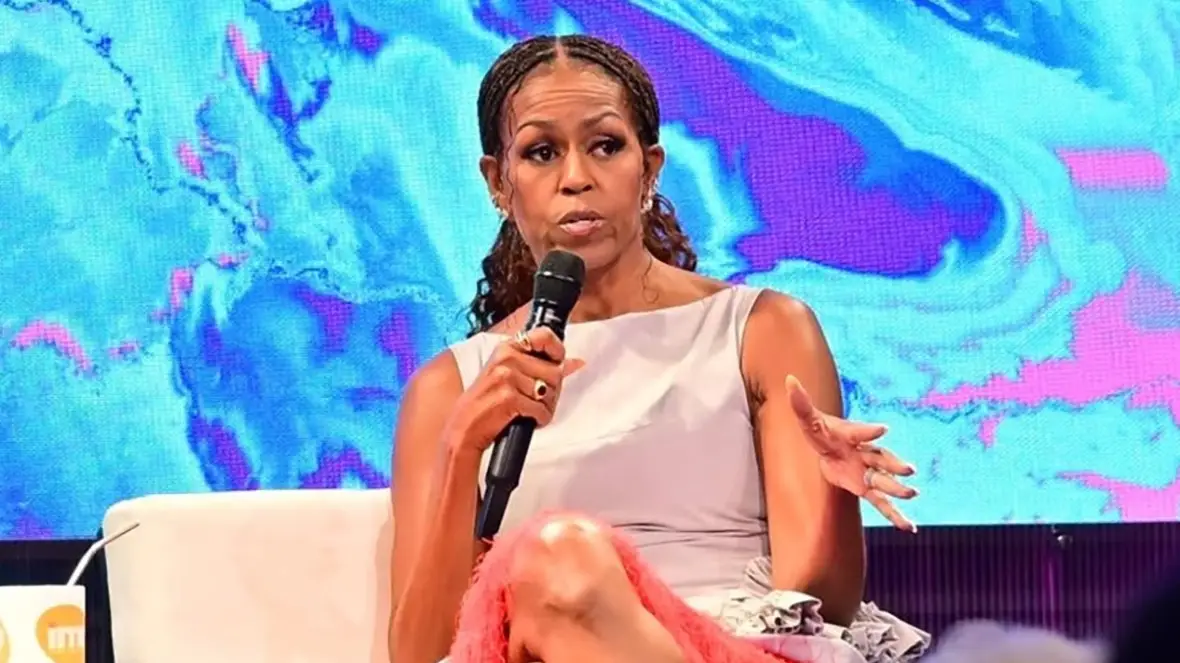
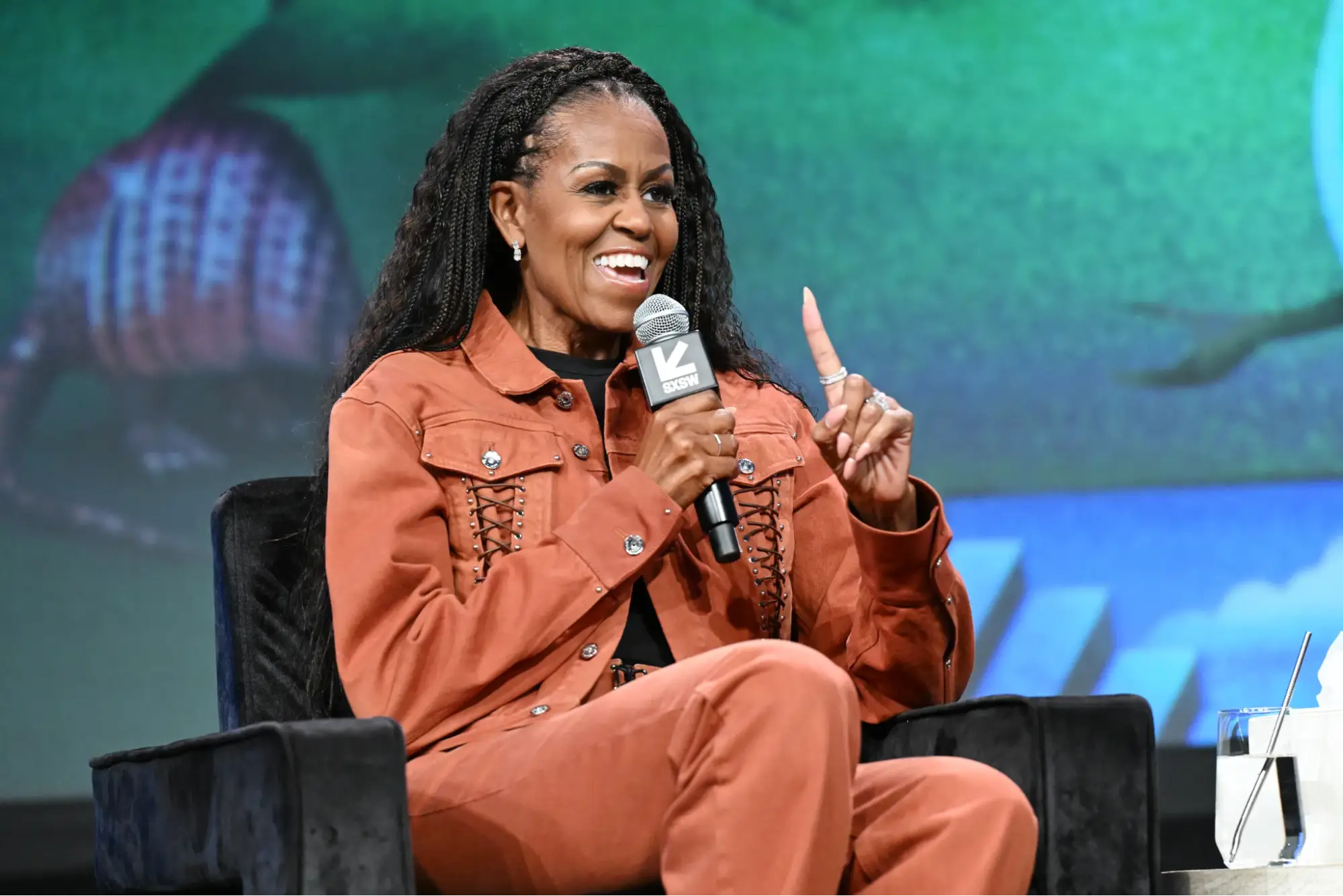
There’s something quietly refreshing about Michelle Obama in 2026. Last week at SXSW London, she wasn’t talking about elections or policy. She spoke instead about career changes, financial freedom, creativity, and the value of community.
It sounded almost too obvious to matter. Yet in a culture obsessed with optimisation — tracking sleep, goals, productivity, even identity — it might be exactly what makes it radical. While everyone else seems to be announcing a pivot, launching a personal brand, or teasing a political comeback, Obama keeps returning to something simpler: stay flexible, stay curious, keep talking to people.
It works because of its simplicity. For creatives especially, Obama’s argument lands with unexpected force. The future belongs less to the people with perfectly mapped-out careers and more to those willing to change direction when opportunity arrives. In other words: learn how to “swerve”.
Life rarely unfolds according to plan. And for creative people, that’s not a failure. It’s often the point — the place where the most interesting work begins.
Podcast as Platform
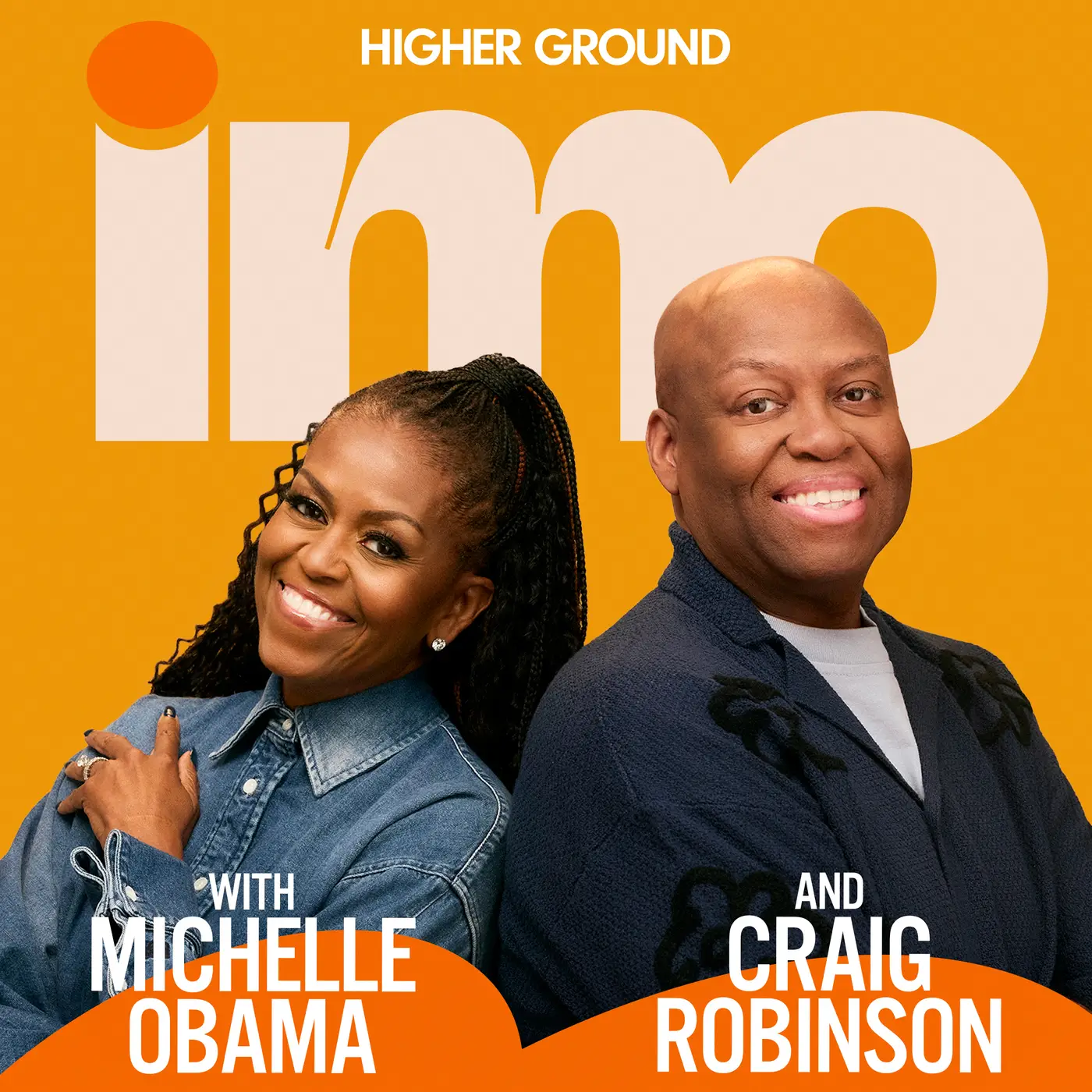
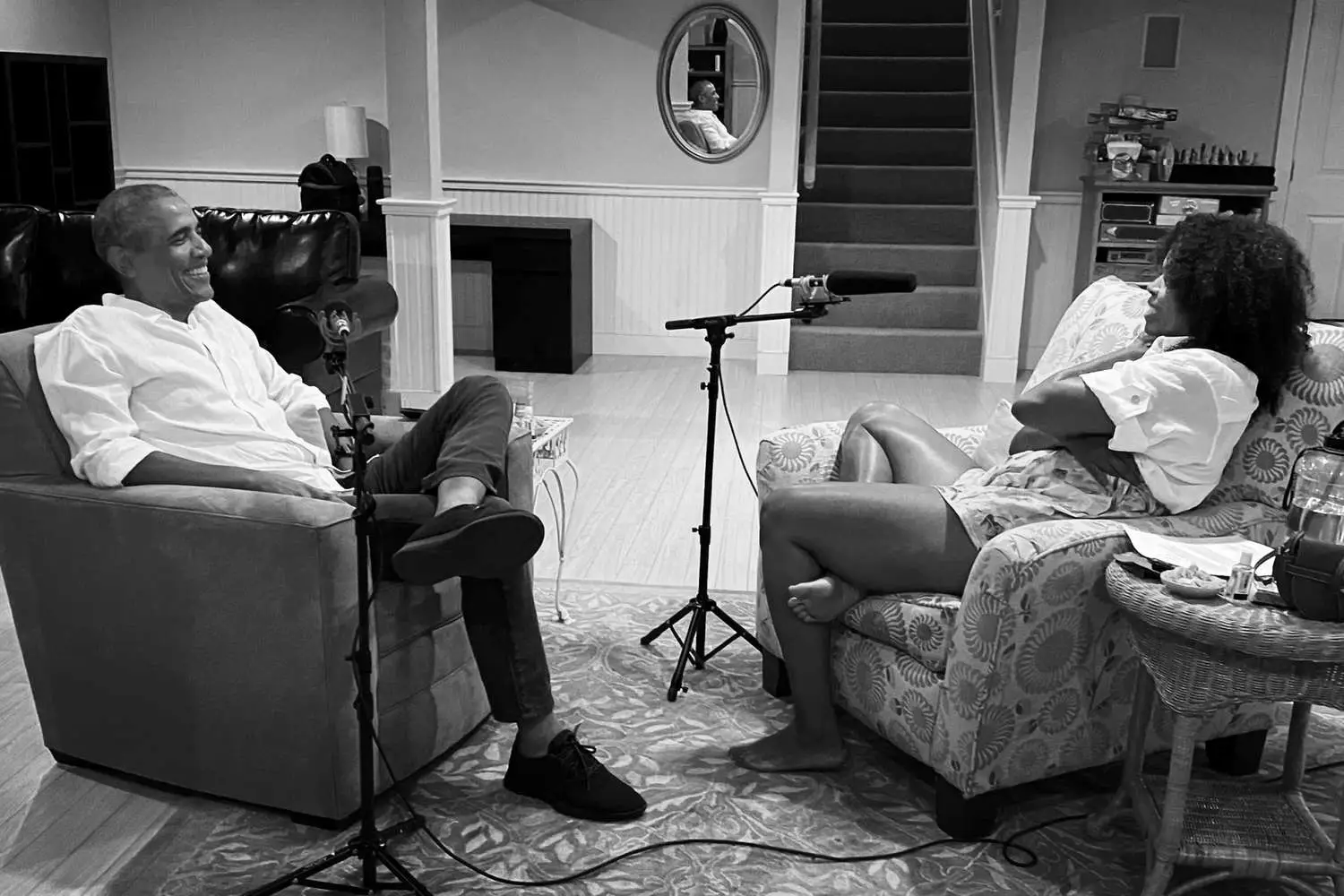
When IMO with Michelle Obama & Craig Robinson launched in March 2025, debuting live at SXSW Austin alongside psychologist Dr. Laurie Santos, it looked at first glance like a celebrity side project. A former First Lady and her brother discussing life’s everyday dilemmas. Charming, certainly. But hardly revolutionary.
By the time it reached SXSW London in June 2026, the podcast had hosted everyone from Steven Spielberg and Bruce Springsteen to Serena Williams, Ayo Edebiri and Issa Rae. But the celebrity guest list isn’t really the story.
What makes IMO interesting is not who appears on it, but how it’s built: around uncertainty. The conversations are personal, occasionally messy, and often unfinished. In a media environment where everyone is expected to have a hot take on everything, there’s something refreshing about watching people think out loud. Vulnerability, in this context, isn’t weakness — it’s connection.
Speaking to a crowd of around 700 people, Obama reflected on leaving her legal career for a lower-paid role that aligned more closely with her values. Looking back, she framed it not as sacrifice, but as a form of freedom. Her advice to young people was direct:
“Get used to living smaller than you need to, so that you can do the things you want to do when they present themselves. Try to avoid golden handcuffs.”
Obama’s argument isn’t anti-success or anti-ambition. It’s more subtle than that. She’s suggesting that the pursuit of “more” is not always the same as the pursuit of meaning.
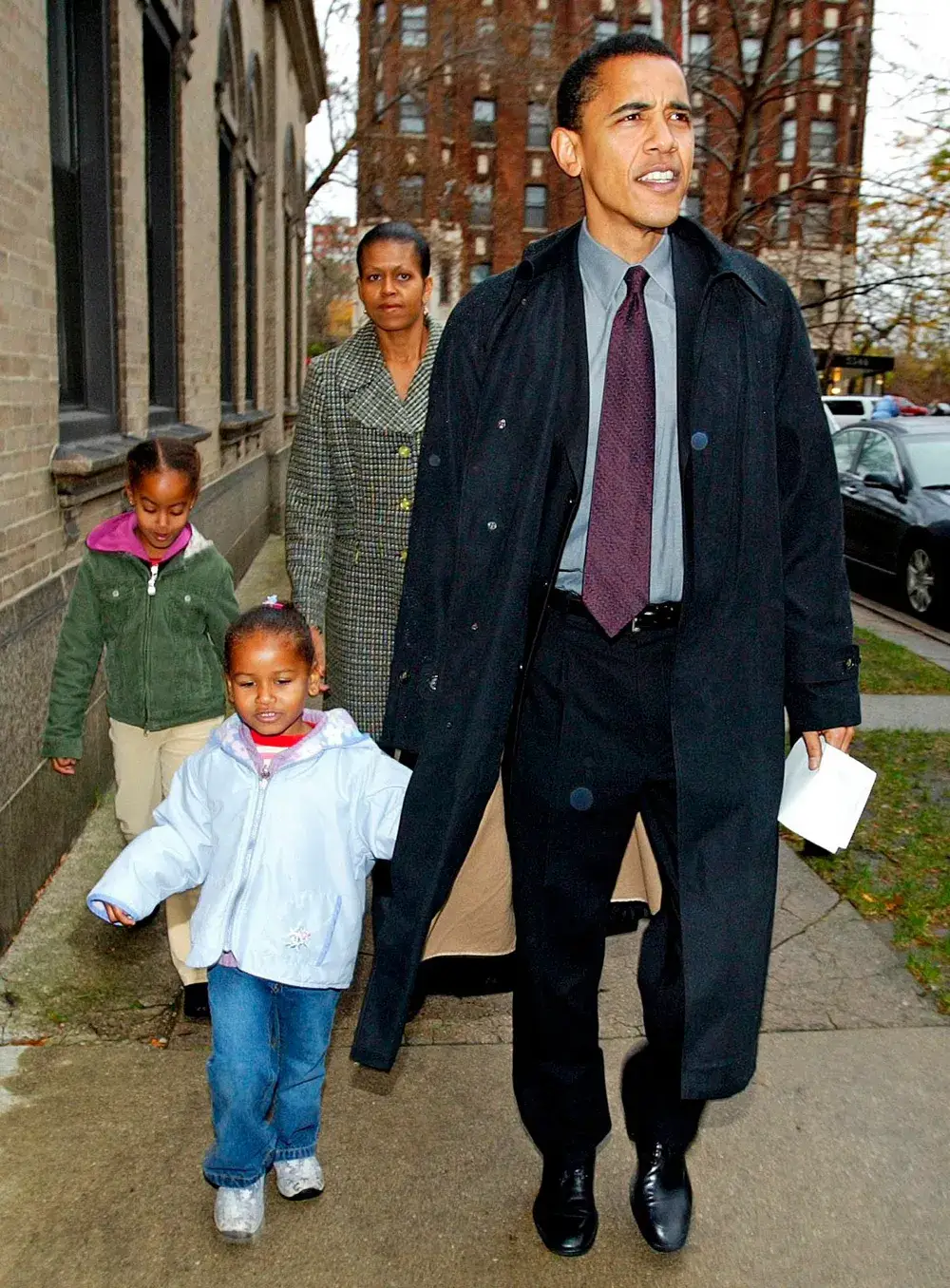
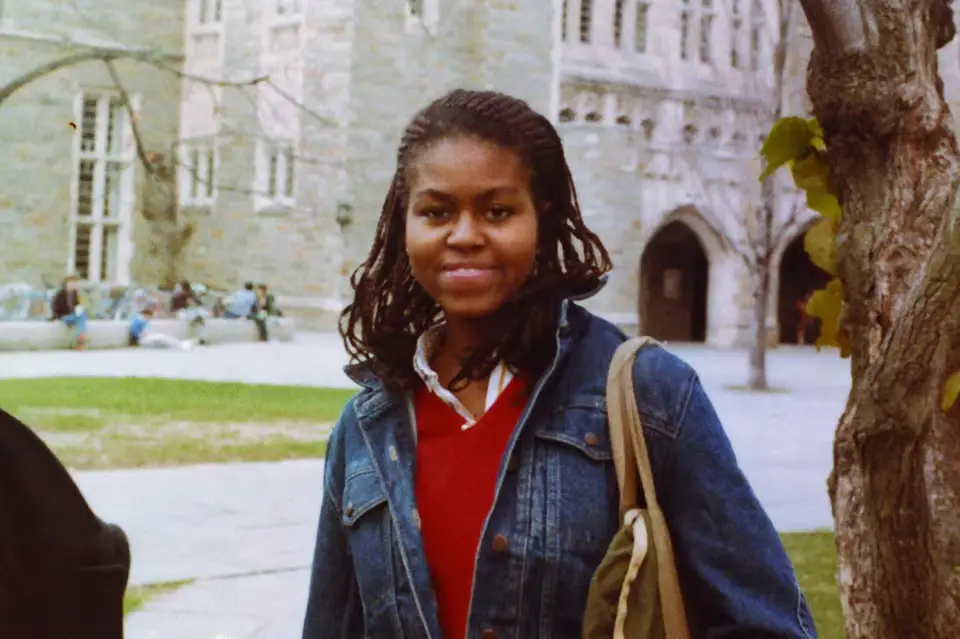
Too often, we treat adaptability as a consolation prize for people who couldn’t stick to the plan. Obama sees it differently. The ability to change course may be the plan. “Life is long,” she told the audience. “None of it was a waste. Every experience is learning.”
The Bravery That Makes You Brave
At SXSW London, Obama was asked about stepping into podcasting — a medium she had never worked in before, now performing live alongside her brother in front of large audiences. Her answer revealed the philosophy underpinning everything she’s doing right now.
“Bravery makes you brave to try anything at any age,” she said. “I mean, I lived in the White House. I was the First Lady. That wasn’t my plan. I had no training for that. But we figured it out.”
In an age obsessed with expertise, Michelle Obama is making a case for experimentation: for changing your mind, for trying things before you feel ready, for accepting that some of the most important opportunities arrive without warning. She didn’t train to be First Lady. She didn’t train to host a podcast. She learned by doing. The point isn’t to predict every turn. It’s to “swerve”... It’s to stay flexible enough to take one.