Furniture is rarely just furniture. The pieces we choose dictate how we gather, move and linger within a room. They frame conversation, encourage pause, and often determine whether a space feels lived in or simply occupied.
It is this relationship between object and atmosphere that sits at the heart of ISSKA, the multidisciplinary design practice founded by architect and designer Jessica Solnicki.
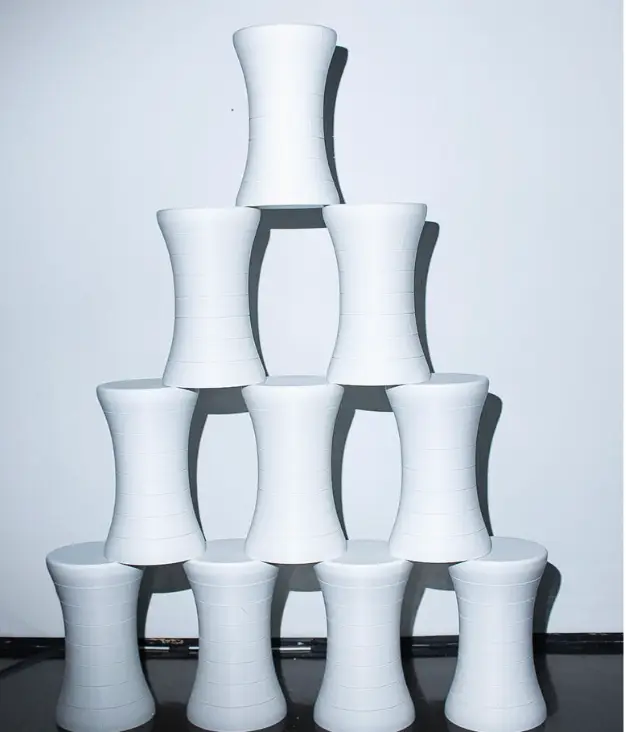
Rather than treating furniture as isolated sculptural statements, Solnicki approaches each collection as part of a larger architectural language. Curved silhouettes, softened geometries and recurring hourglass forms appear across seating, tables and objects, creating a visual rhythm that allows each piece to speak to the next. The result isn't simply a collection of furniture, but an environment: one where architecture, interiors and object design become inseparable.

"An instinctive sense of restraint."
There is an instinctive sense of restraint throughout ISSKA's work. Gathered upholstery softens bold structural forms, textured finishes catch the changing light, and sculptural surfaces reveal themselves gradually rather than demanding immediate attention. Every material feels deliberately chosen, balancing precision with warmth, permanence with comfort. Nothing feels decorative for decoration's sake.
That architectural thinking comes as little surprise. Before a room is furnished, it is first imagined as a sequence of experiences. Solnicki designs with that same philosophy, considering not only how a chair or table will exist on its own, but how it contributes to the emotional landscape of a space. Proportion, materiality and placement become as important as the objects themselves.
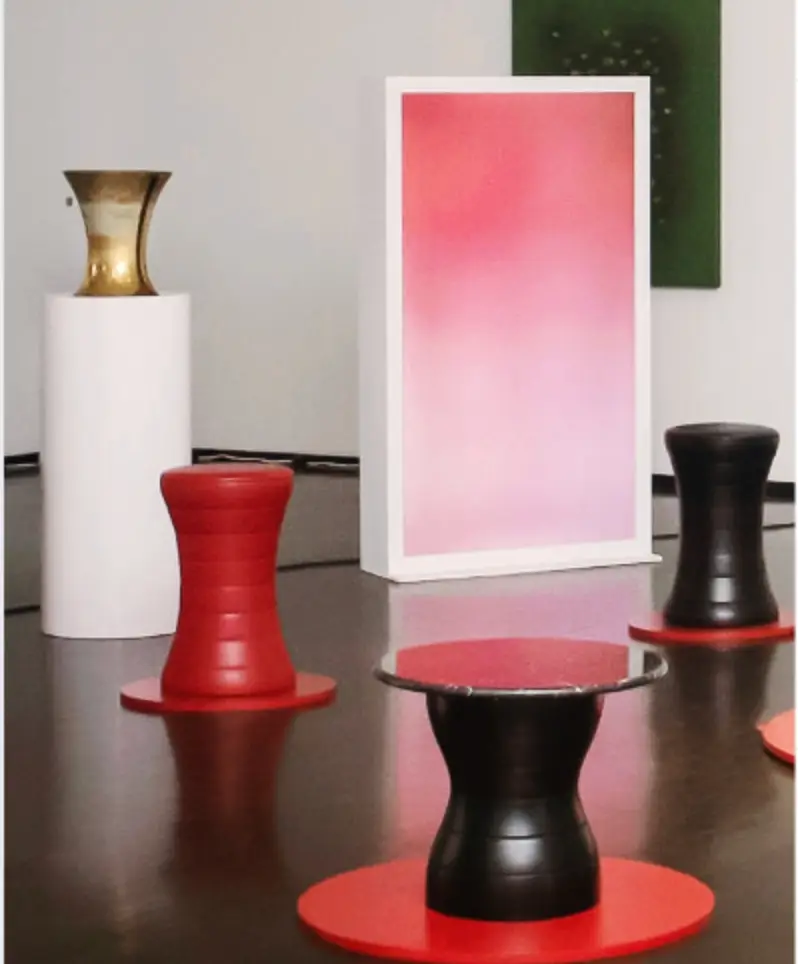
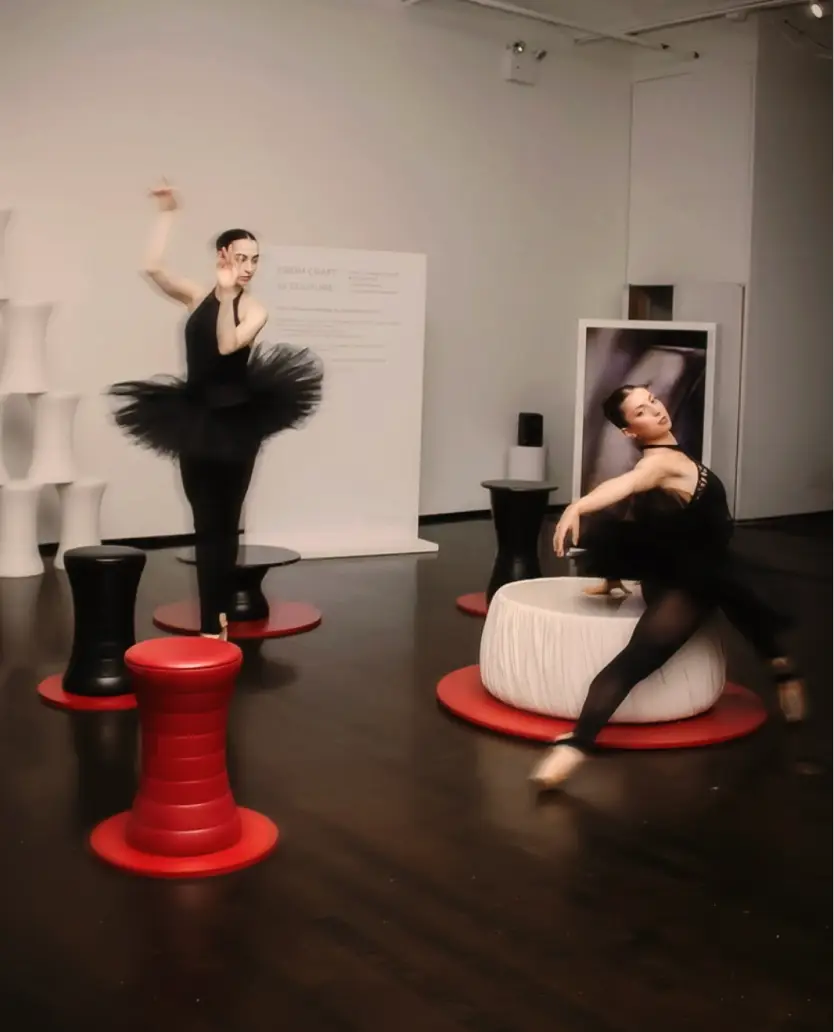
Fig 02 & 03 // Exhibition Study: ISSKA on view at AP Space Gallery in Chelsea, New York, in partnership with Faena Residences Miami. A presentation transforming the conventional white cube layout into an active sensory footprint.
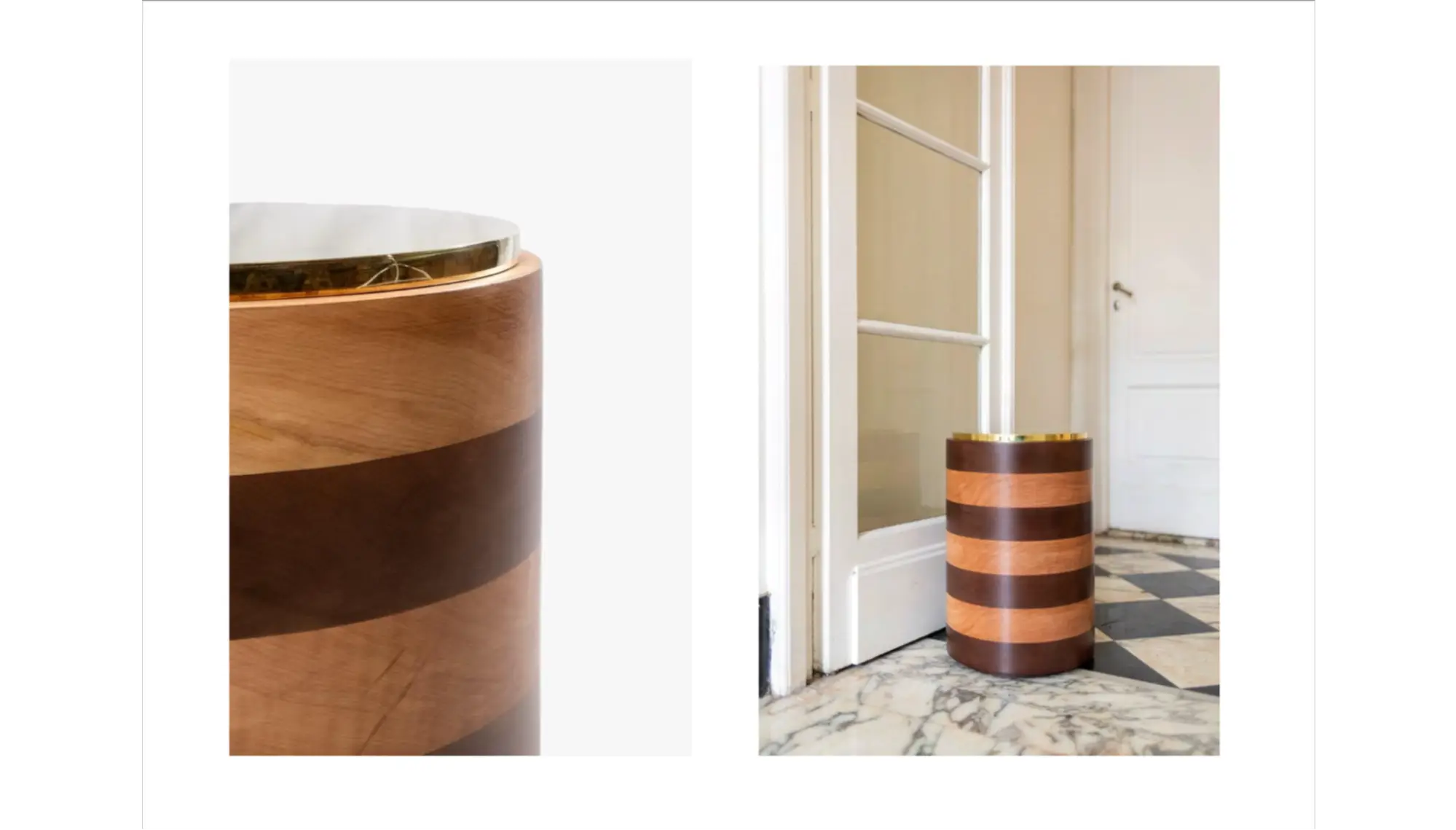 Fig 04. Curved metals & woods. A metallic shine where art meets furniture.
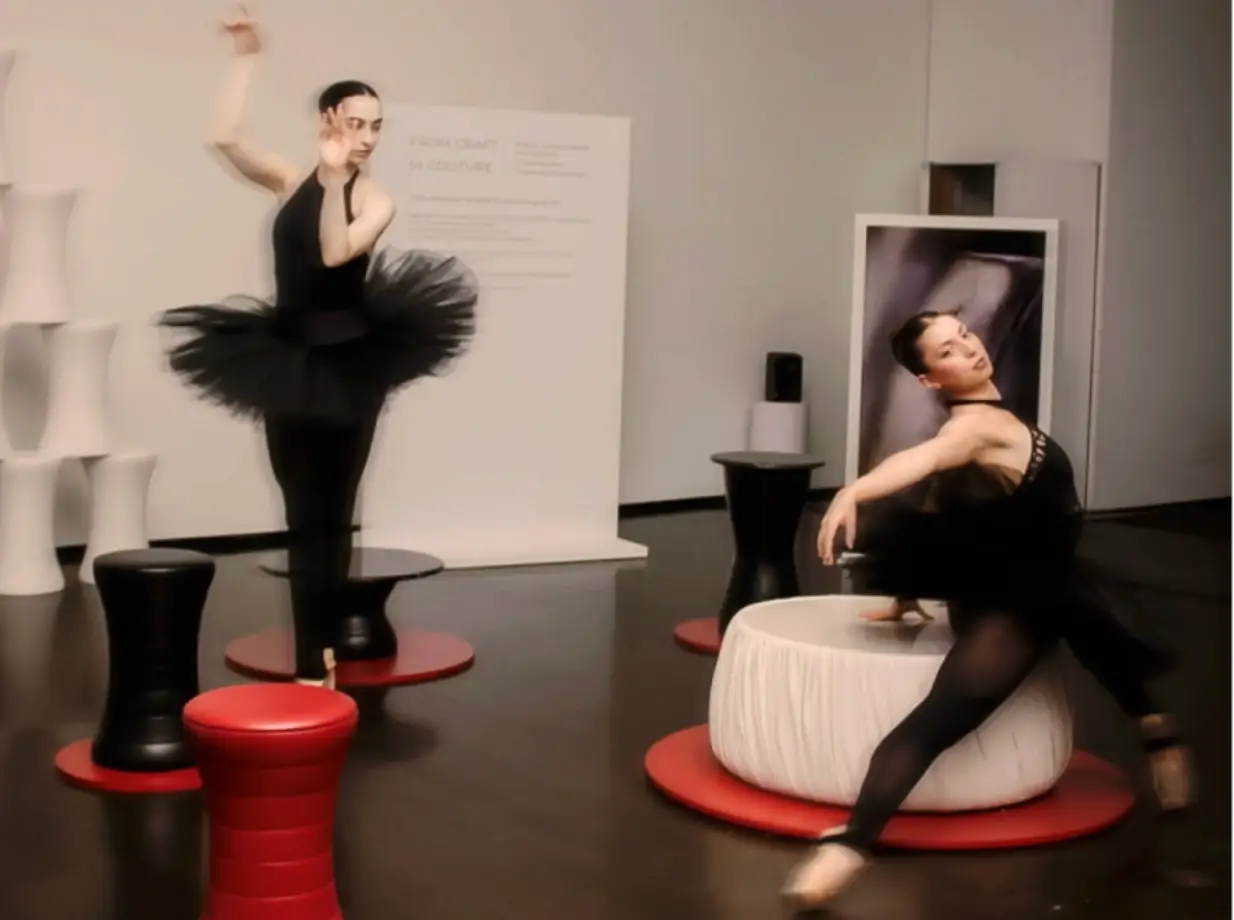
Viewed together, the collection feels almost cinematic. That vision was recently brought to New York through an exhibition at AP Space Gallery, presented in collaboration with Faena Residences Miami. More than a conventional furniture presentation, the exhibition transformed the gallery into a living environment.
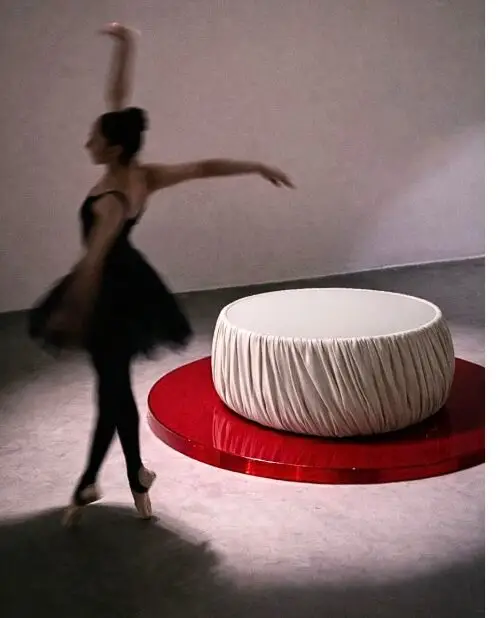
Furniture by ISSKA and Things From sat within an architectural installation while a live ballet, performed to tango music composed by Solnicki herself, animated the space. Movement, sound and material became part of the same conversation, inviting visitors to experience design not as a static object, but as something inhabited.
The collaboration with Faena felt particularly fitting. Both share a belief that thoughtfully designed interiors shape not only how a space looks, but how it is experienced. Rather than separating architecture, furniture and atmosphere into individual disciplines, they embrace them as parts of a single composition.
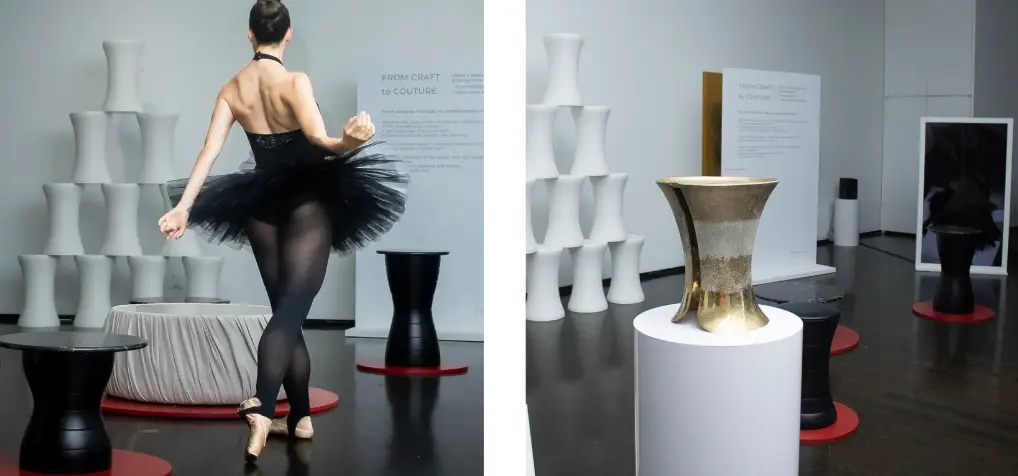 Fig 05. Ballet meets ISSKA.
Her ethos is one of beauty meets design, sustainability and architecture. One rarely seen today.